How Sports Organizations Monitor AI Systems
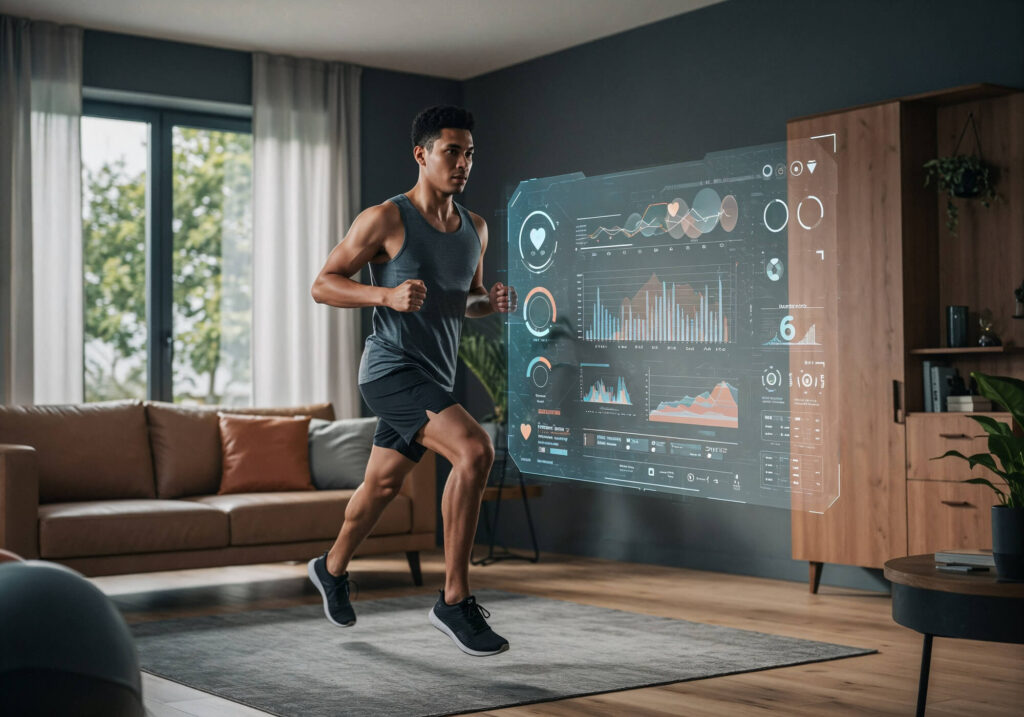
AI is becoming a normal part of sports today. Clubs use it to analyse performance, academies use it to track player progress, and federations rely on it to make big decisions. But with great technology comes great responsibility.
If an AI system makes a mistake, the impact can be huge — wrong scouting decisions, unfair player evaluations, or privacy risks for young athletes. That’s why monitoring AI isn’t optional anymore. It’s one of the most important parts of modern sports governance.
Let’s break down how responsible organisations keep AI systems safe, fair, and compliant.
Why AI Needs Monitoring in the First Place
Think of AI like a talented but unpredictable assistant coach. It can do amazing things, but if nobody checks its work, it can also go off track.
Sports organisations monitor AI systems because:
• Models can drift over time and become less accurate
• Algorithms can carry hidden bias
• Sensitive data — especially minors’ data — needs protection
• Regulations like the EU AI Act demand oversight
• AI tools impact real careers and real people
When monitoring is done well, AI becomes an advantage. When monitoring is ignored, it becomes a liability.
External Regulations Make Monitoring Mandatory
Sports organisations today face stricter rules than ever before.
The EU AI Act has classified many AI tools used in sports — especially those involving performance analysis, health data, and youth athletes — as high-risk systems.
This means they must be monitored continuously.
Add GDPR, UK data laws, and growing U.S. regulations on biometrics… and suddenly monitoring isn’t just a “good idea.” It’s required.
That’s why many organisations now work closely with AI consulting experts for sports who help them stay compliant.
How Clubs and Academies Actually Monitor Their AI Tools
Most people think monitoring means “checking the software once in a while.” But proper AI governance for sports goes much deeper. Here’s what real monitoring looks like inside a professional environment.
1. Tracking Performance and Accuracy Over Time
AI models are not static. They change as new data enters the system.
That’s why organisations check things like:
• Did the model become less accurate?
• Is it giving unusual or inconsistent results?
• Does it treat certain groups unfairly?
• Is it over-fitting or misreading player behaviour?
In scouting or injury prediction, even small errors can create big problems.
2. Using Human Oversight for Every Major Decision
Responsible sports organisations never let AI act alone.
AI gives suggestions — humans make decisions.
Coaches, analysts, and compliance officers review every important output. This prevents unfair decisions like:
• wrong player rankings
• incorrect injury warnings
• biased selection recommendations
This “human in the loop” approach is required under AI governance sports compliance frameworks.
3. Monitoring Athlete Data — Especially Minors
This is where things get sensitive.
Sports academies collect detailed data on young athletes:
• heart rate
• movement tracking
• behaviour metrics
• training load
• recovery patterns
In Europe especially, athlete data privacy is taken extremely seriously.
Monitoring includes checking:
• how data is stored
• who has access
• whether consent is valid
• whether any data is being misused
• if deletion requests are honoured
Without these checks, academies can easily violate GDPR.
4. Keeping Documentation on Every AI System
You know how software developers keep logs?
AI systems have their own version of logs — required by the EU AI Act.
Sports organisations keep documents showing:
• what each AI tool does
• how it was trained
• what data it uses
• known risks
• testing results
• decisions made by humans vs machines
This documentation proves the system is under control.
5. Running Regular Audits
Every few months, organisations run AI audits.
This could be internal or guided by AI experts who specialise in sports.
These audits check for:
• bias
• drift
• privacy gaps
• compliance with new regulations
• accuracy issues
• system failures
Think of it like a health check for your AI ecosystem.
6. Training Staff and Coaches on Responsible AI Use
AI is only as responsible as the people using it.
Sports organisations train:
• coaches
• analysts
• academy directors
• performance staff
• compliance teams
Training covers AI basics, risk awareness, data privacy, and practical governance steps.
This is especially important for AI in sports academies, where staff handle minors’ data daily.
What Happens When AI Isn’t Monitored?
Things can go wrong fast:
• AI ranks a young athlete unfairly
• Injury prediction tools overestimate risks
• Selection algorithms ignore context
• Sensitive data leaks
• Biased models favour certain body types
• Parents lose trust
• Organisations face legal penalties
Most failures in AI don’t come from the technology itself — they come from poor oversight.
How Good Monitoring Builds Trust
When AI is monitored well, everyone wins:
• Players trust the system
• Parents feel safe
• Coaches make better decisions
• Clubs avoid legal trouble
• Federations stay aligned with global standards
• Tools work more accurately over time
Good governance turns AI into an asset instead of a threat.
Final Thoughts
AI is shaping the future of sports, but it doesn’t run on autopilot.
The best sports organisations combine innovation with responsibility. They build strong monitoring systems, follow regulations, protect athlete data, and use AI in a way that benefits everyone involved.
AI brings speed, intelligence, and insights — but only when humans stay in control.